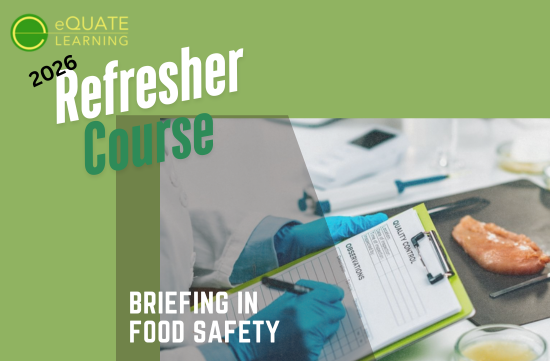
Food safety is used as a scientific method/discipline describing handling, preparation, and storage of food in ways that prevent food-borne illness. The occurrence of two or more cases of a similar illness resulting from the ingestion of a common food is known as a food-borne disease outbreak
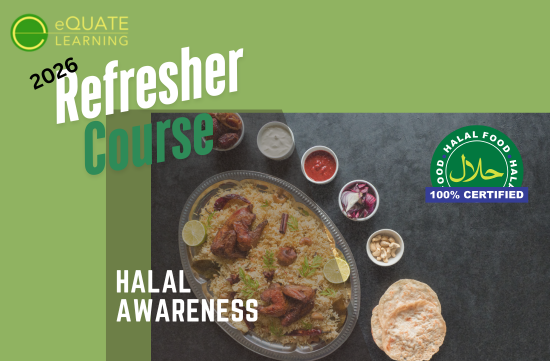
Halal awareness is the level of understanding of Muslims in knowing problems related to the concept of halal. Such knowledge includes understanding what products can be consumed and how the production process is carried out
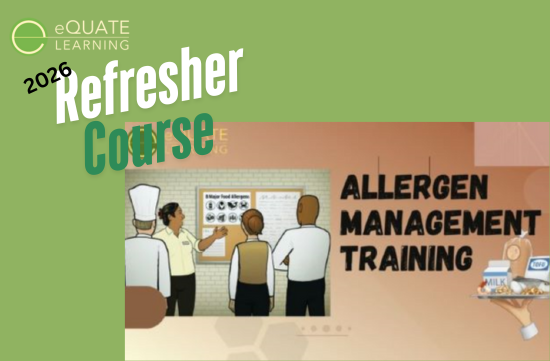
Reference: OMSI/PEPSICO
Food allergies are a significant public health concern, affecting millions worldwide. In food manufacturing, the presence of undeclared allergens can lead to severe, even life-threatening, reactions in sensitive individuals. Therefore, robust allergen management programs are essential to protect consumers and maintain product integrity.